In Praise of the Sycamore
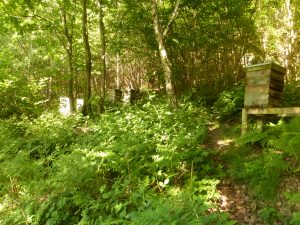
Sycamore trees can provide excellent crops of honey in May. Stand by the hives on a warm evening and listen to the roar of the bees fanning fresh nectar as they convert it into honey. In a good year, two or even three supers of sycamore honey by the end of May are quite possible. It can be a strong start to the beekeeping season, although poor weather in May may result in no crop at all.
Other nectar sources in May include horse chestnut, hawthorn, apples finishing blossom, and oilseed rape on the coast.
What you need for a good crop
Strong colonies are essential: a good autumn, a short winter, and a productive spring.
Why sycamore is important
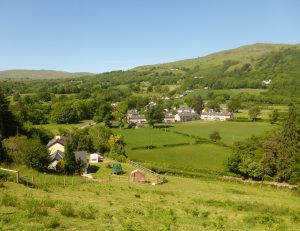
- Long flowering period. Colonies in the Conwy Valley can forage from sycamore trees at different altitudes, extending the flowering window by up to 10 days.
- Excellent honey producer. Scale hives have shown increases of around 2kg per day during a strong flow.
- Be in time with your supers.
- Encourages bees to draw out foundation quickly.
- Produces attractive white wax cappings.
- Supports rapid build-up of nucs and newly hived swarms.
- Provides strong pollen flows; pollen trapping can yield up to 300g in a day.
Managing sycamore honey
- Full supers left on the hive may be consumed during the June gap.
- Extract early June, leaving sufficient brood and stores (brood and a half or double brood).
- Be prepared to feed colonies if stores are reduced.
- Spins and strains easily in warm conditions.
- Slow to granulate; often remains clear for around three months.
- Granulated honey remains very good even after a year.
- Fermentation is rarely an issue if stored properly in a cool, dark place.
- Frosting can occur; labelling just before sale can help mask this.
Selling sycamore honey
- A darker, stronger-flavoured honey that may not suit all tastes.
- Taster jars help with sales at events such as the Conwy Honey Fair.
- Pairs well with foods such as Greek-style yoghurt.
Showing sycamore honey
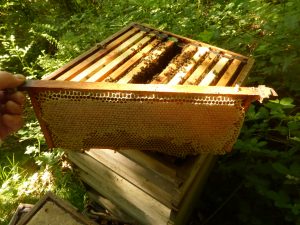
- A good frame of sycamore honey can win prizes.
What follows sycamore?
- If the June gap is short, blackberry may begin producing nectar from mid-June, followed by lime in July and ling heather in August.
- A strong sequence of flows can produce exceptional yields. One season averaged 80lb per hive across 20 colonies.
Other benefits
- Sycamore is also a useful firewood: quick to dry, easy to split, and burns well.
Peter McFadden, updated April 2025